by Martina Chapman, National Coordinator for MLI
Time flies when you are busy, and we certainly have been busy this year. As December rolls in, it’s a good time to look back at the year that was and appreciate what we have achieved.
Six specific areas of activity were identified for 2025. They were to:
- Raise awareness of the importance of media literacy as a life-long skillset.
- Facilitate the integration of media literacy learning into existing networks embedded within communities.
- Deliver targeted public-facing awareness campaigns delivered in partnership with stakeholders, and signpost to sources of support.
- Foster cross-sector dialogue, the exchange of ideas and best practice, and the development of evidence-based media literacy interventions.
- Deliver on the commitments made in the National Counter Disinformation Strategy.
- Carry out strategic review of MLI, covering the purpose, structure, operation, funding and sustainability of MLI.
We are delighted to report that significant progress has been made in each of these areas over the last 12 months.
Right from the beginning of 2025 there was a strong focus on raising awareness of the importance of media literacy as a life-long skillset, and integrating media literacy learning into existing networks embedded within communities.
From January to March we delivered, in collaboration with Learning Waves, a media literacy training programme for presenters and producers in the independent radio sector. This series of 5 facilitated online learning modules culminated in a face-to-face peer support and skills development workshop as part of the Radio Days conference in March.
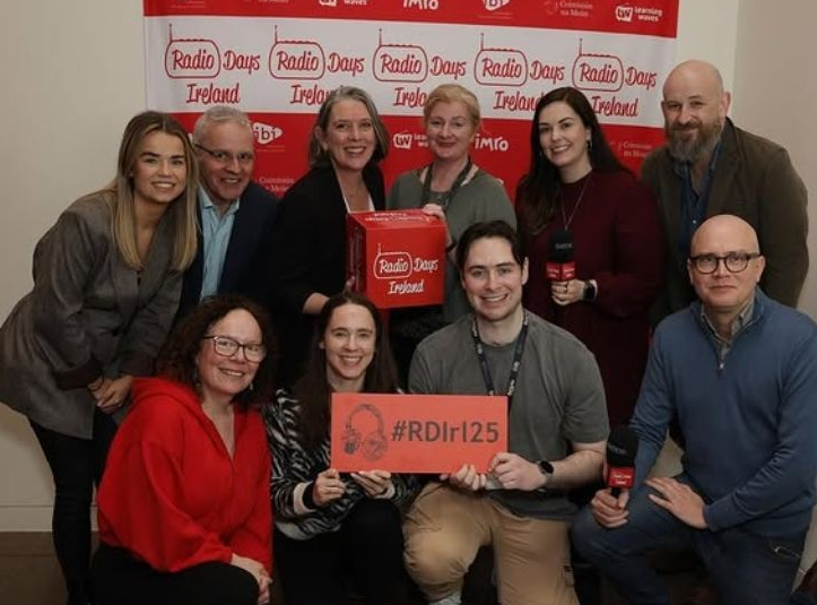
The result was a group of informed, confident media professionals who can act as ambassadors and informal trainers, embedding media literacy principles and practices into their daily work on air, online and behind the scenes. Thank you to Teresa Hanratty and Ricardo Castelini da Silva for making that happen.
From the beginning of the year, we also supported the DCU-led Media and Information Literacy Community Connections programme, or MIL-CC as it is known. This is an EMIF funded pilot project that explores how best to design and deliver media literacy training for public librarians. Delivered in Ireland, Spain, and Portugal it combines live sessions (in-person and online) with self-paced learning. At the end of the course, participants are required to apply what they have learned by designing and delivering a media literacy activity—big or small—in their local community, based on local needs.
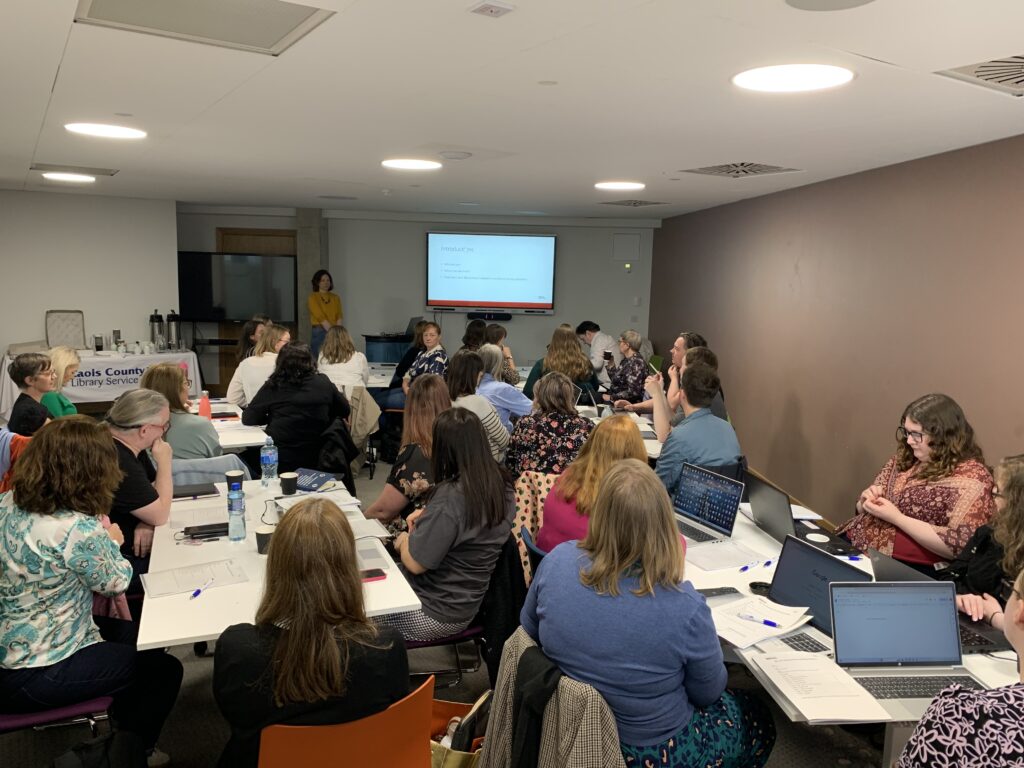
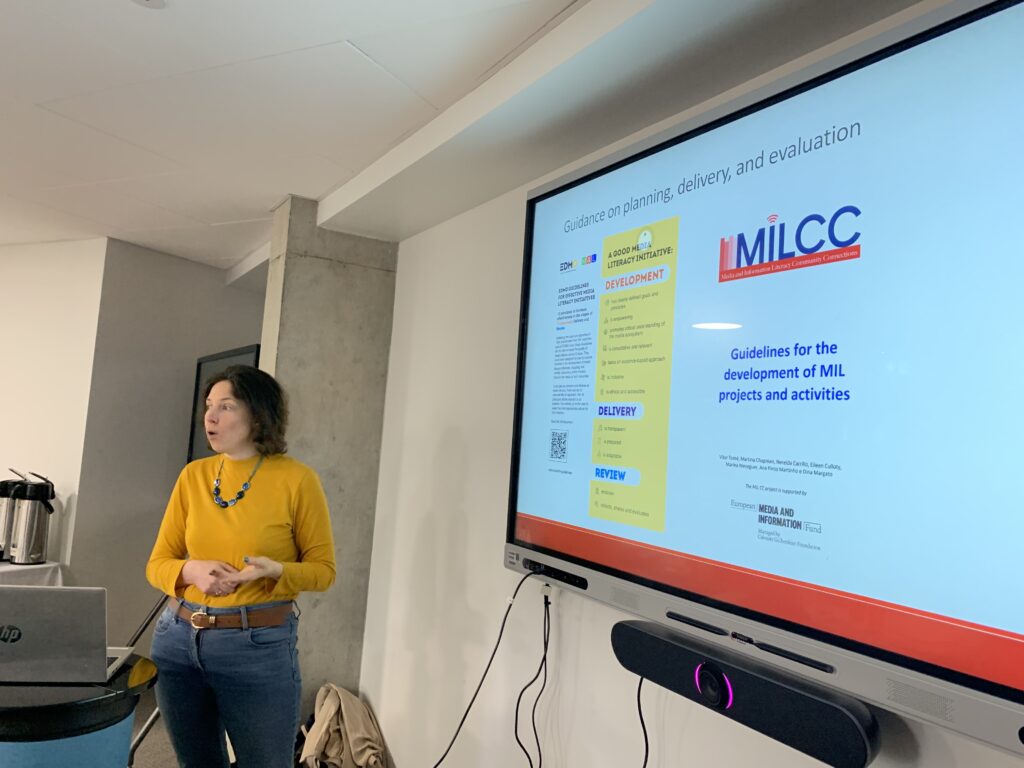
With the support of the LGMA, 57 librarians from 50 libraries are taking part in this project and the seeds planted in the spring are really starting to bear fruit now, with high quality and creative media literacy interventions being delivered in libraries across the country.
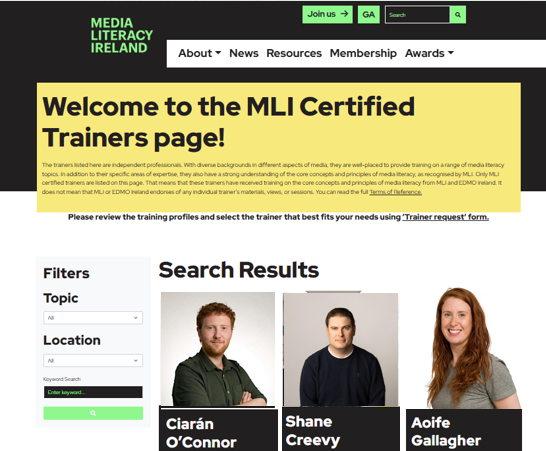
As part of our business as usual work, we have also delivered bespoke training events and webinars for the LGMA, ETBI and UCD. What was very noticeable this year was the sharp increase in requests for one-off training talks and workshops. The demand went beyond what we can meet so we have been developing a panel of MLI certified trainers which organisations will be able to access directly via the MLI website. We hope to go live with this in January 2026.
In terms of delivering targeted public-facing awareness campaigns in partnership with stakeholders, and signposting to sources of support, it has also been a good year.
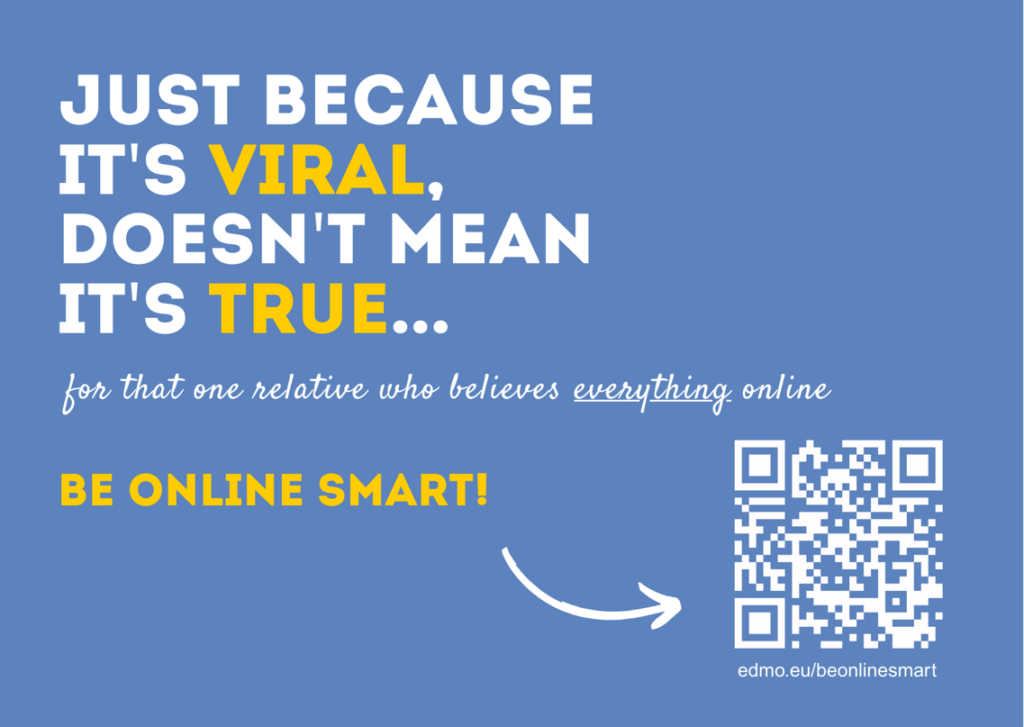
In May, working in partnership with EDMO Ireland, we supported the European wide EDMO-led Be Online Smart campaign.
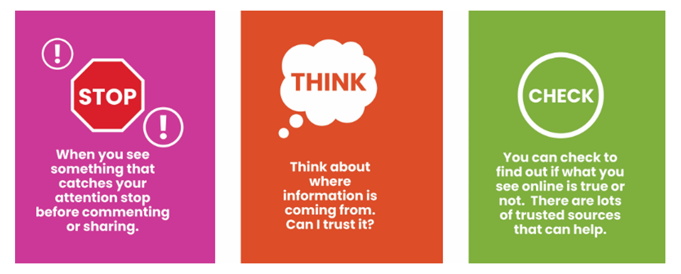
Shortly after that we supported the Adult Literacy for Life office in Solas in the development of the national ‘Let’s Talk about Media Literacy’ campaign – which went live in the autumn.
https://edmo.eu/thematic-areas/elections/european-elections/be-election-smart-campaign/
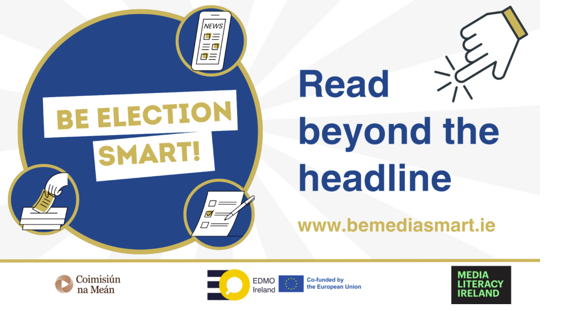
At the end of October, with the support of Coimisiún na Meán, we delivered an online ‘Be Election Smart’ campaign, again in collaboration with EDMO Ireland, in advance of the Presidential Election.
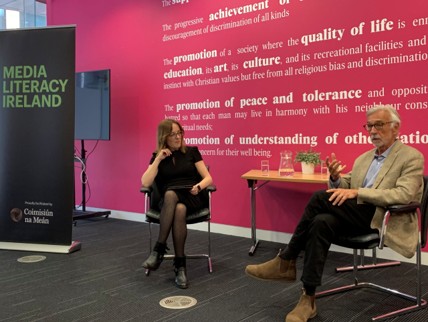
Fostering cross-sector dialogue, the exchange of ideas and best practice, and the development of evidence-based media literacy interventions is at the heart of what we do and we do it in lots of different ways. Delivering events is one of the approaches we use to foster cross-sector dialogue. In March we delivered our first in-person event of the year. Kindly hosted by the Irish Times and facilitated by MLI members Newsbrands Ireland, the Breaking News in a Broken System event featured a wide-ranging conversation exploring the challenges faced by journalists when trying to hold power to account in a digital media environment against a background of increasing mis- and disinformation.
We delivered another very successful MLI Awards programme this year. Supported by Coimisiún na Meán, the aim of the MLI Awards is to recognise the great projects, activities and initiatives that are helping citizens, especially within communities, to develop the media literacy skills that will empower them to make the best use of media. The Awards this year were noticeable not only for the high number of entries, but also because of their diverse nature and high quality. Congratulations again to all the short-listed entries, and especially to the winners and the Highly Commended projects.

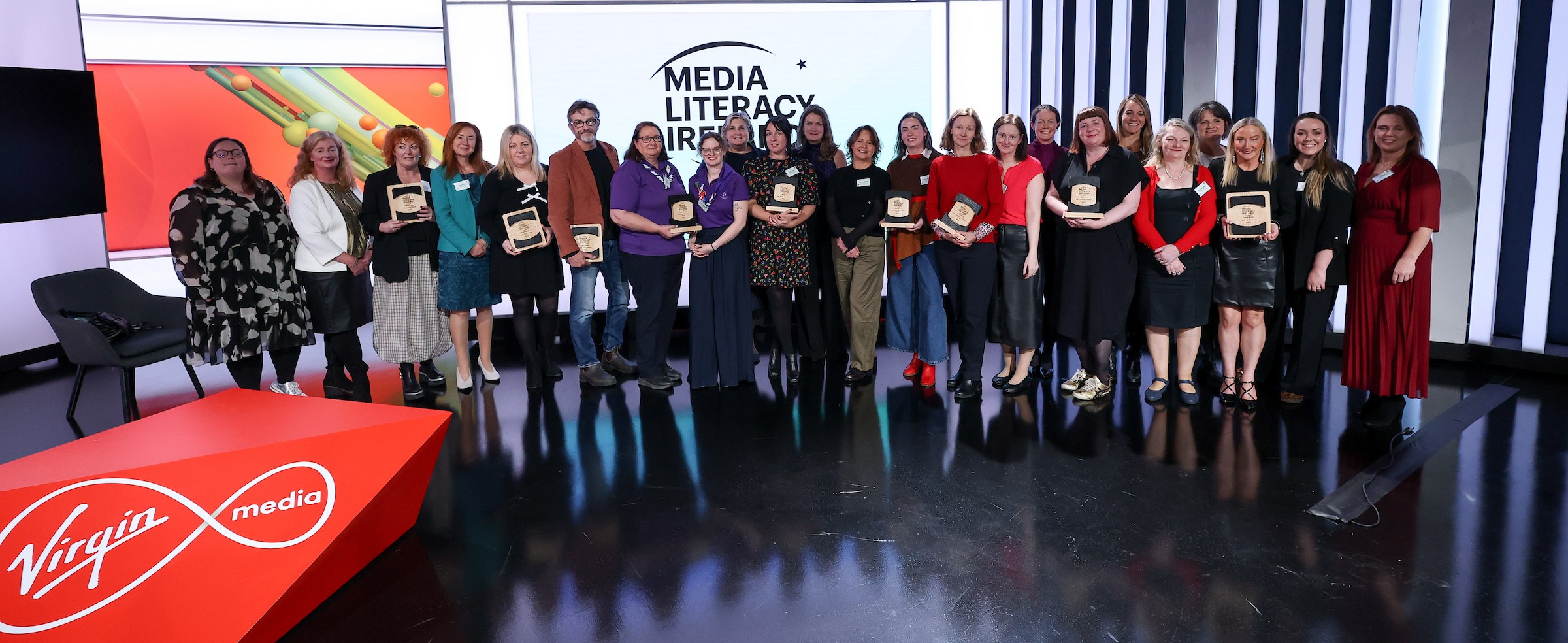
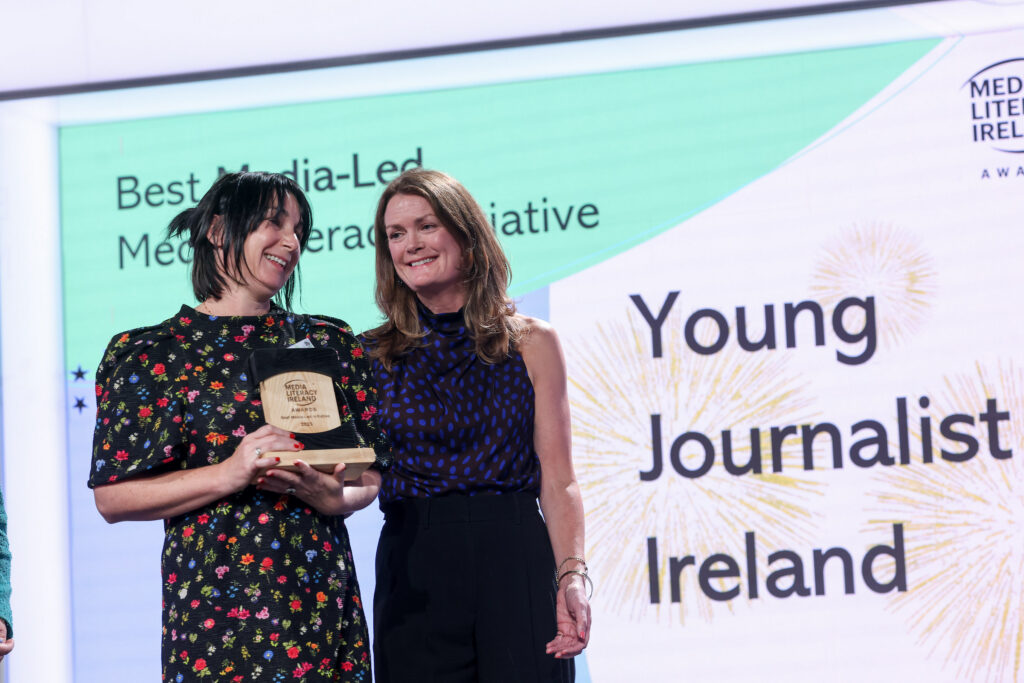
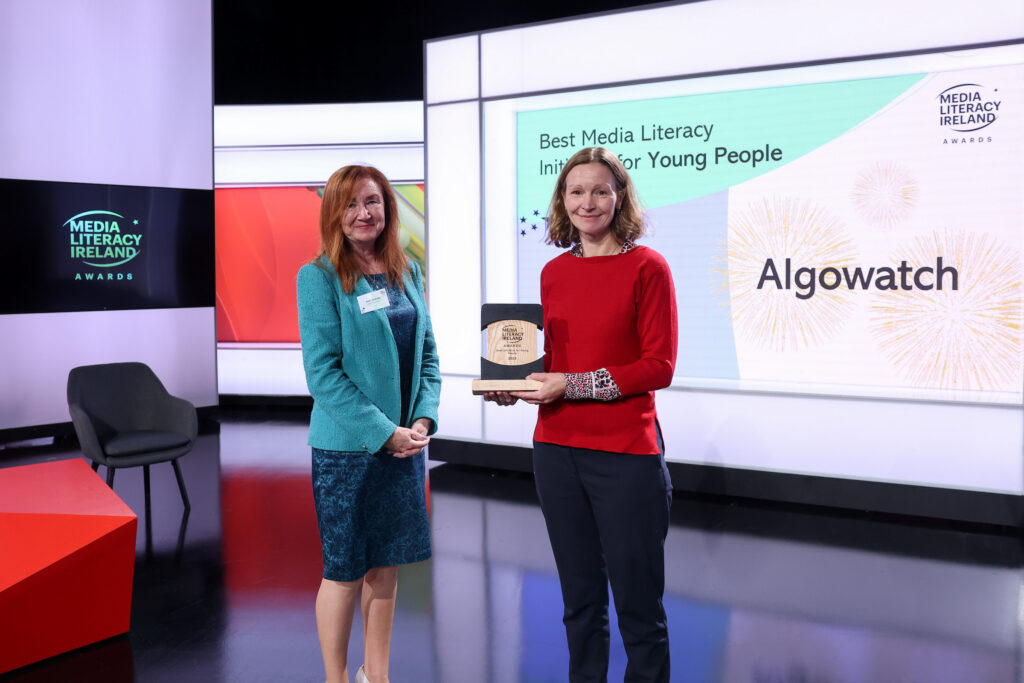
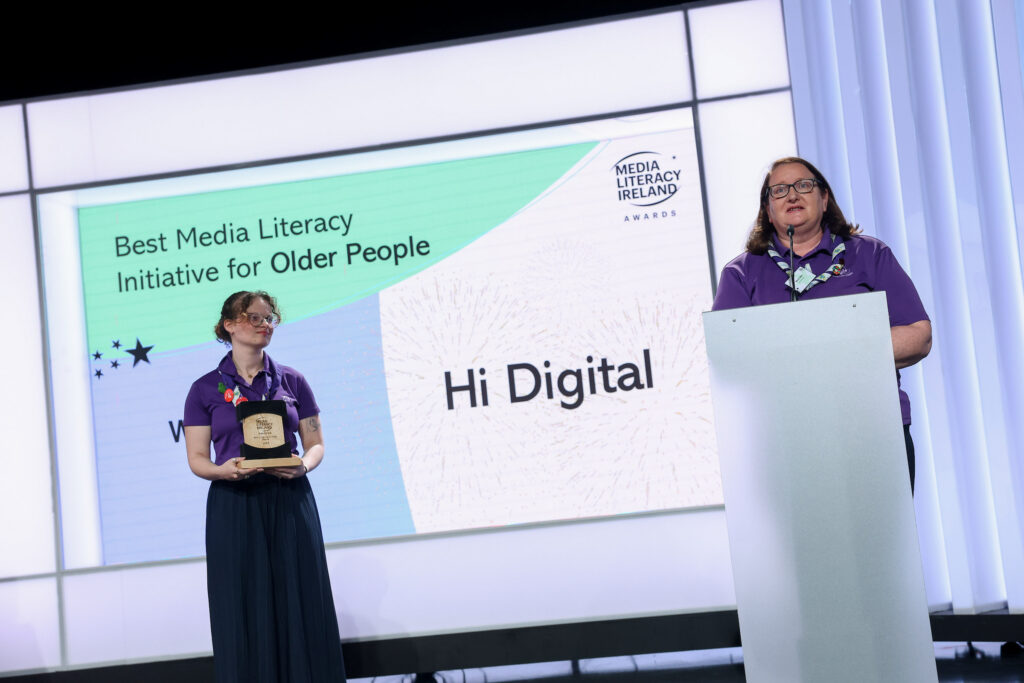
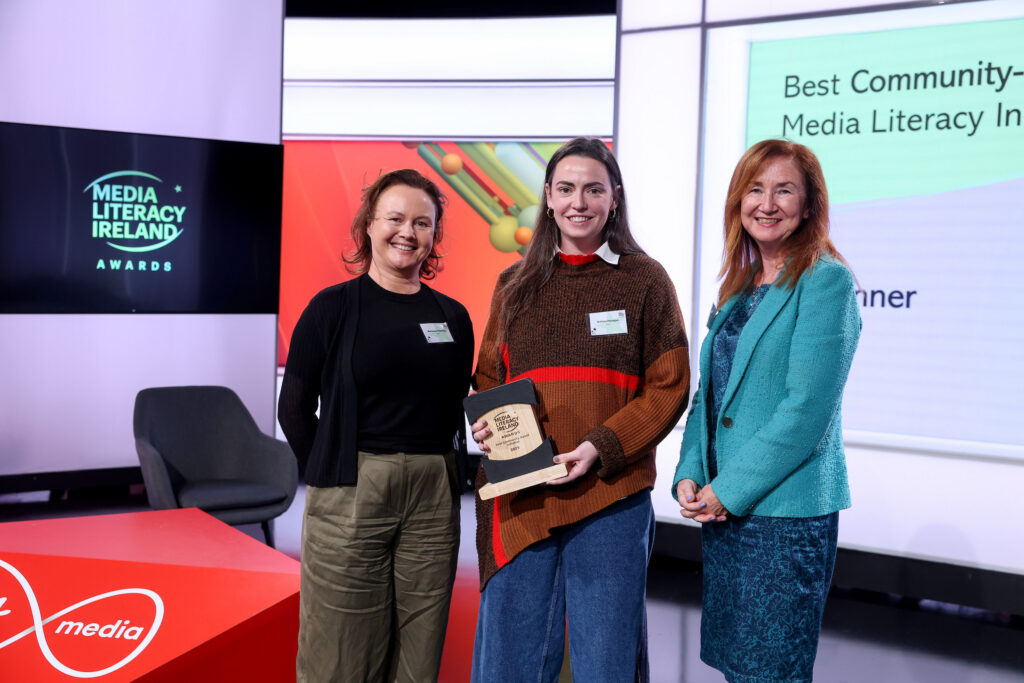
A lot of work goes into running the MLI Awards and we really do want to thank all fifteen members of MLI who volunteered to act as judges for the awards. Huge thanks also to TV3, who once again hosted a brilliant MLI Awards event in their studios in October.
To round off the year, we had the MLI Conference which took place on 26 November. With 25 speakers plus 90 attendees, we had a full house and a fantastic day of knowledge sharing, learning and networking.
In addition to these big events, we also participate in a wide range of other events ranging from talks in local libraries to the national Safer Internet Day conference. What we do, and how we do it, is seen as best practice internationally resulting in invitations to contribute to a wide range of national and international discussions such as
- UK House of Lords Communications and Digital Committee inquiry into media literacy.
- The EU Media Literacy Expert Group
- The Ofcom Steering Group for the Northern Ireland Media Literacy Delivery Plan
- The EDMO Council on Guidelines for Effective Media Literacy Projects
- The EDMO Media Literacy Campaign Working Group
- The NCDS Working Group and the NCDS Steering Committee
- The Skills for Life Steering Group
- The SOLAS Campaign Advisory Group.
Last, but most definitely not least, there is our monthly newsletter, the MLI and the Be Media Smart websites, as well as the ongoing support and advice we provide to the ever-growing media literacy community. A call for contributions to the newsletter goes out to all MLI members around the middle of each month, so if have something media literacy related that you would like to share with over 350 newsletter subscribers, please email info@medialiteracyireland.ie.
Another key area of activity for us this year was to deliver on the commitments made in the National Counter Disinformation Strategy (NCDS).
Throughout the development process of the NCDS, MLI played a leadership role in ensuring media literacy formed part of this national strategy. We committed to delivering a series of actions as part of the Strategy. We feel that the prominence of media literacy in the Strategy is recognition that media literacy has a role, along with other interventions, in building long-term resilience to disinformation.
In June of this year, we delivered the first of our NCDS actions in partnership with EDMO Ireland. Kindly hosted by Mary Immaculate College in Limerick, the inaugural Disinformation Forum was opened by Minister Patrick O’Donovan with over 30 key stakeholders participating in the forum.
The Disinformation Forum will be held annually with two core aims. First, to take stock of high-level strategies and policies to counter disinformation through media literacy, secondly to focus on a specific sector with a key role in promoting media literacy. The first event focussed on the role of local and community media.
It’s been a busy year, and next year looks even busier with a range of new actions lined up to support the promotion of media literacy. This includes building on the work we do to deliver on the NCDS actions, as well some other new and very exciting activities. But, to deliver on all of this MLI needs to evolve. With the support of Coimisiún na Meán and the Steering Group we are actively exploring the best way to do that, in line with our final key area of activity which was to review MLI’s purpose, structure, operation, funding and sustainability to make sure we can continue to grow and evolve to meet the needs of the media literacy community in the future.
As the year comes to a close, I want to acknowledge the amazing support MLI receives from so many sources, but in particular, the critical support of Coimisiún na Meán and the Media Literacy and User Education team, as well as the MLI Steering Group.
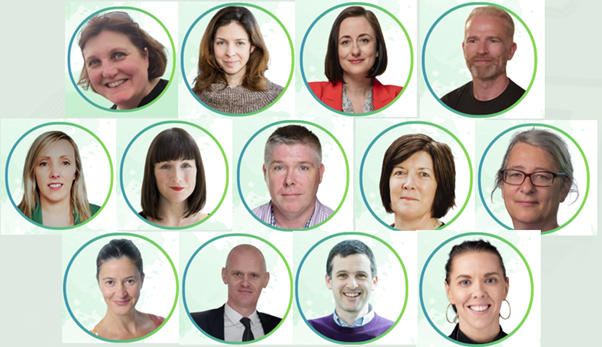
Very early on the regulator recognised that media literacy is best delivered as part of a cross-sector, multi-stakeholder approach. The MLI Steering Group really reflects that commitment and, as National Coordinator, I would like to take this opportunity to thank them for their unwavering support and guidance, and in particular to the two wonderful Co-Chairs Eilleen Culloty and Stephanie Comey.