by Dr Rosemary Day, Head of Department of Media and Communication Studies, Mary Immaculate College, Limerick
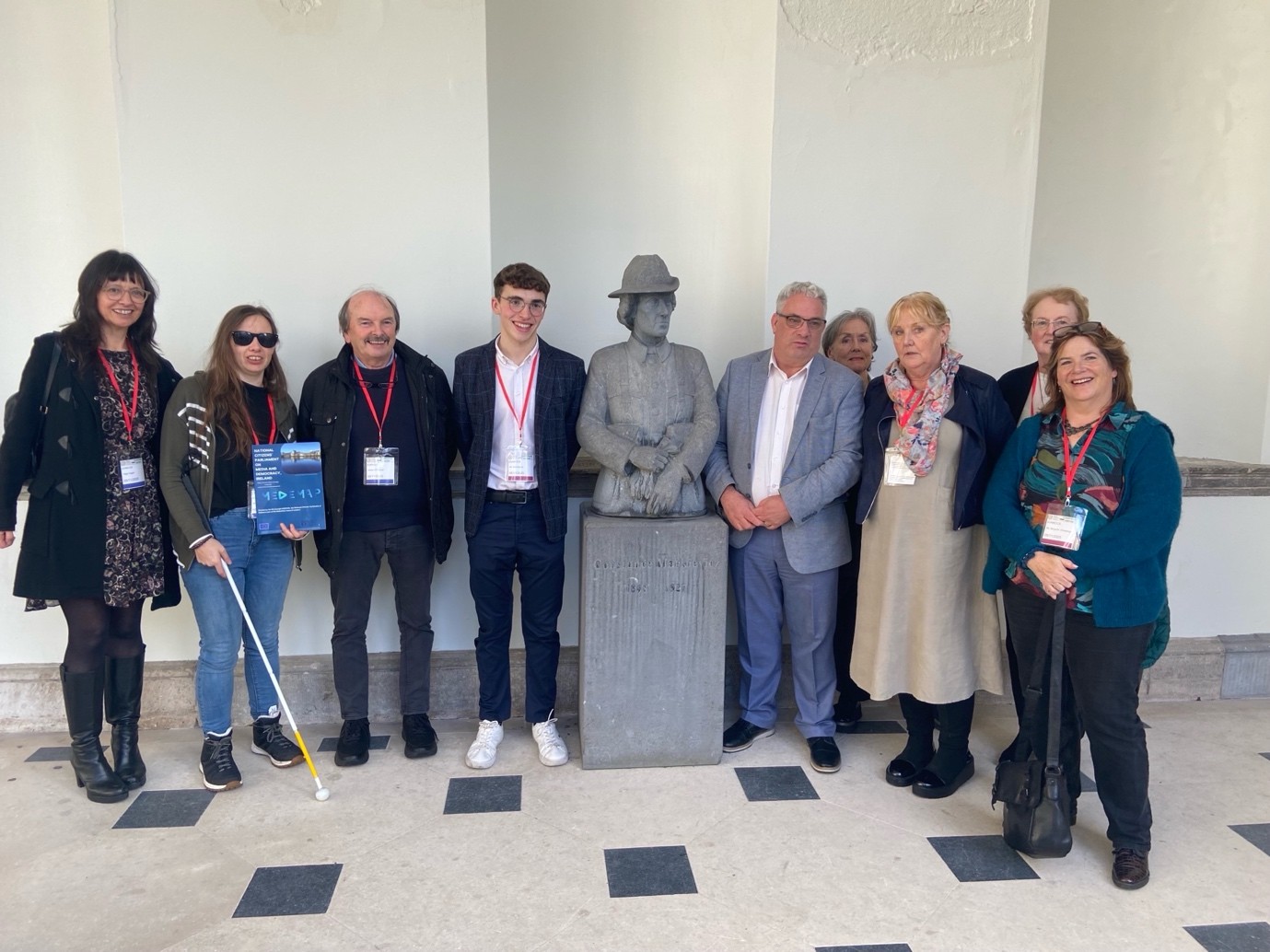
A National Citizens’ Parliament on Media and Democracy, held in Limerick in Spring 2025 and funded through the EU’s HORIZON programme, expressed strong interest in media literacy and a belief that it could be key to protecting the future of democracy.
Four of the 22 resolutions passed by the parliament call for media education and they distinguish clearly between literacy and agency.
The National Citizens’ Parliament was concerned that audiences, i.e. their fellow citizens, may not be sufficiently protected and informed to engage fully in the democratic processes of their country or to understand and make critical judgements of news stories. They proposed that:
‘All bodies should introduce more robust protection and better education for minors and vulnerable adults who use social media’.
Their next resolution identified the body that they believe should be responsible for providing some of the media literacy education that the citizens are calling for. It proposed that:
‘Coimisiún na Meán [Ireland’s media regulator] conduct awareness advertisement campaigns concerning their role and the capacity of the public to engage with them’.
The National Citizens’ Parliament was practical in terms of the range of skills that the public needs education in and who should work to provide such education by proposing that:
‘The Departments of Communications, Education, Coimisiún na Meán, etc., to implement initiatives amongst all age groups to promote, inform and encourage the public in participation in the media, media literacy, ethics and critical thinking’.
They were clear that media literacy extends beyond the capacity to access platforms and information and they were concerned about attitudes, values and perceptions. Consequently, they proposed a resolution that addresses the dangers of social media engagement. They specified a range of topics that a media literacy campaign needs to cover and identified the power of unregulated actors in the digital sphere to influence societal and individual attitudes and values. They were concerned about ethics and questioned the quality of the information that they are actually reading and listening to. They also queried if there is a responsibility on the media to act independently and to supply unbiased information, or if they have a responsibility to educate their audiences about how to identify information that may be biased, how to check out sources and how to cross compare across different news providers to come to their own conclusions and opinions. Their resolution proposed that:
‘Media literacy campaigns include education on attitudes, ethics and the impact of media participation on the individual’.
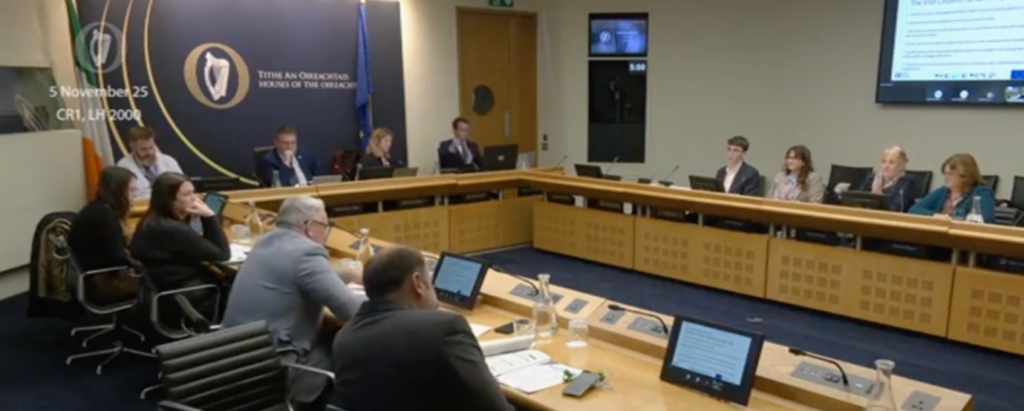
The National Citizens’ Parliament presented these resolutions at the level of local democracy, to Limerick City and County Council; at the national level, to legislators in the Joint Oireachtas Committee for Media, Communications, Culture and Sport; and at the international level, to the EU Parliament. The resolutions have also been sent to Coimisiún na Meán, Media Literacy Ireland and the National Union of Journalists. The citizens were promised that their recommendations will be considered in future legislation and regulation and they look forward to seeing if these have a real impact going forward.
Further details and all of the resolutions can be found here.